
Description
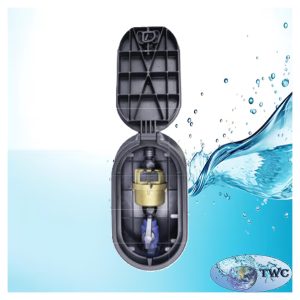
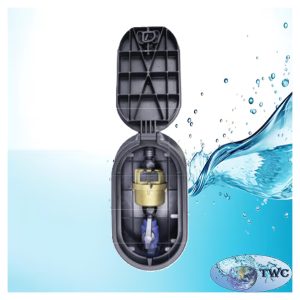
The domestic plastic water meter – pulse ready – 20mm is a durable and accurate water meter designed for measuring cold potable water consumption in domestic properties and small business applications.
This 20 mm polymer-bodied semi-positive rotary piston water meter is approved to SANS 1529-1:2019 Class C specifications and is designed to provide reliable water consumption measurement in residential and small commercial applications.
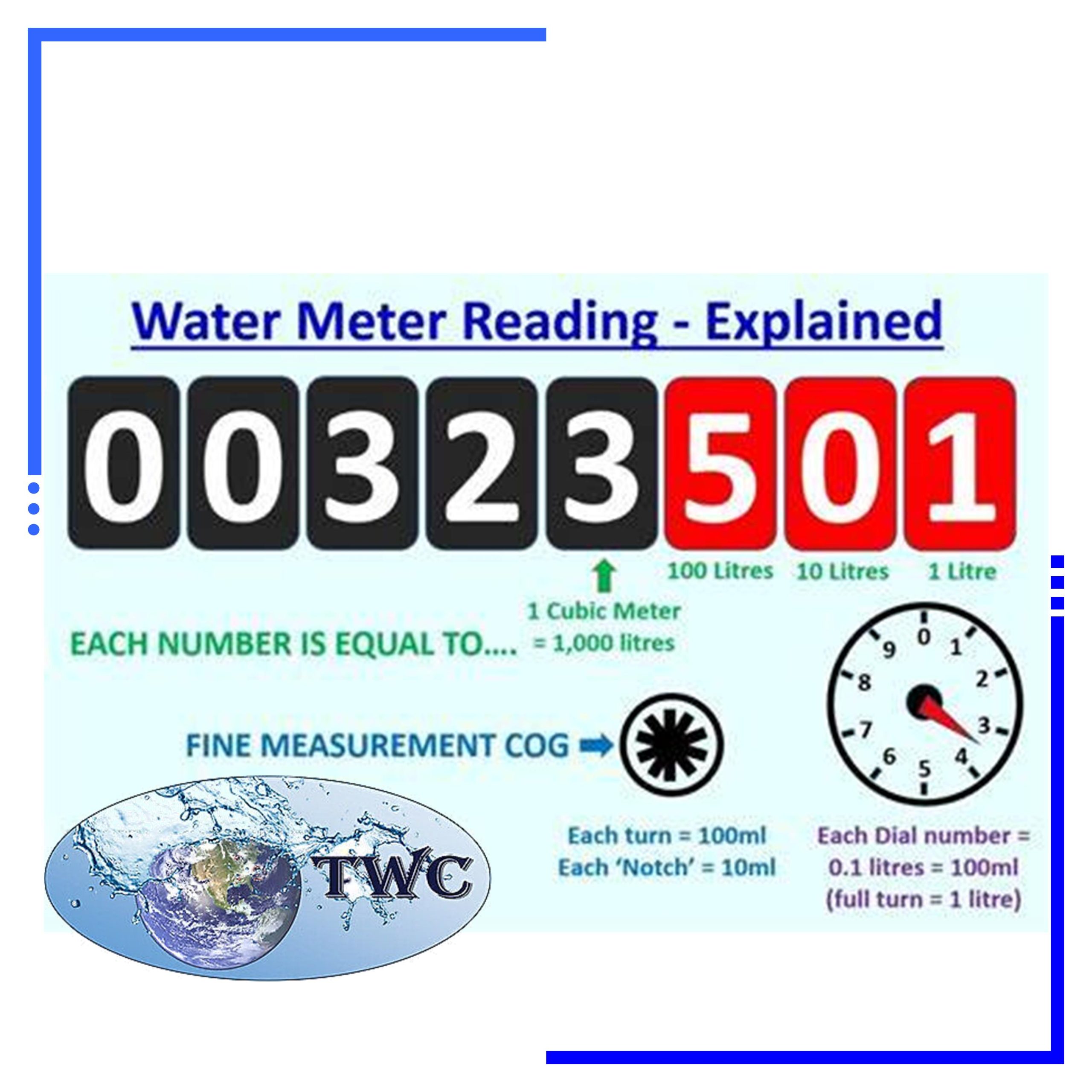
The meter features a clear liquid-filled 8-digit counter for easy reading, pulse-ready functionality, an internal strainer and a spring-loaded non-return valve. The meter body is manufactured from specially blended, glass-reinforced UV-stabilised polymer, providing a durable and lightweight alternative to conventional metal water meters.
The 20 mm model also features a bowed strainer with increased mesh area to help improve debris filtration within the meter. With a working pressure of up to 1600 kPa, this meter is suitable for a wide range of domestic and small business cold-water applications.
Features:
- Approved to SANS 1529-1:2019 Class C specification.
- Suitable for measuring cold potable water consumption.
- Suitable for domestic and small business applications.
- Pulse-ready at 1 pulse per half litre.
- Semi-positive rotary piston design.
- Clear, easily read liquid-filled 8-digit counter.
- Counter registers water consumption in cubic metres (m³).
- Minimum reading of 0.00002 m³.
- Meter accuracy is not affected by the angle of installation.
- Suitable for horizontal and vertical installation.
- Internal strainer.
- 20 mm bowed strainer with increased mesh area.
- Spring-loaded non-return valve.
- Working pressure up to 1600 kPa.
- Meter body tested up to 4800 kPa.
- Working temperature between 2°C and 40°C.
- Grooved piston for improved performance and reliability.
- Inlet and outlet threads compatible with ISO metric sizes.
- Glass-reinforced UV-stabilised polymer body.
- Robust leak-resistant construction.
- No external calibration facility, helping to prevent tampering.
Specifications:
- Product: Domestic plastic water meter.
- Meter size: 20 mm.
- Meter type: Semi-positive rotary piston water meter.
- Body material: Glass-reinforced UV-stabilised polymer.
- Accuracy class: Class C.
- Standard: SANS 1529-1:2019.
- Application: Cold potable water.
- Installation orientation: Horizontal or vertical.
- Working temperature: 2°C to 40°C.
- Working pressure: 1600 kPa.
- Meter body test pressure: Up to 4800 kPa.
- Display: Clear liquid-filled 8-digit counter.
- Measurement unit: Cubic metres (m³).
- Minimum reading: 0.00002 m³.
- Pulse output: 1 pulse per 0.5 litre.
- Non-return valve: Internal spring-loaded type.
- Strainer: Internal bowed strainer with increased mesh area.
- Piston: Grooved.
- Thread compatibility: ISO metric sizes.
- Construction: Glass-reinforced UV-stabilised polymer.
- Weight: Approximately 1 kg.
- Dimensions: Approximately 165 × 100 × 100 mm.
Applications:
- Domestic household water metering.
- Residential water consumption monitoring.
- Small business premises.
- Individual property water consumption measurement.
- Cold potable water systems.
- Water consumption monitoring where pulse-ready functionality is required.
- New plumbing installations.
- Replacement water-meter installations.
- 20 mm pipework applications.
- Water-metering systems requiring horizontal or vertical installation.
Why choose this 20mm plastic water meter?
- Class C accuracy: Designed for reliable measurement of cold potable water consumption.
- Pulse-ready: Provides 1 pulse per half litre for compatible remote monitoring and automated metering systems.
- Durable polymer construction: The glass-reinforced UV-stabilised polymer body provides a strong and lightweight meter construction.
- 20 mm size: Suitable for water-metering installations using 20 mm pipework.
- Improved strainer design: The 20 mm model features a bowed strainer with increased mesh area.
- Spring-loaded non-return valve: Provides integrated non-return functionality within the meter.
- High pressure capability: Rated for a working pressure of up to 1600 kPa, with the meter body tested up to 4800 kPa.
- Easy to read: The clear liquid-filled 8-digit counter provides straightforward water consumption readings.
- Flexible installation: Suitable for both horizontal and vertical installation without the installation angle affecting meter accuracy.
- Tamper resistant: No external calibration facility helps reduce the possibility of unauthorised adjustment.
- Versatile application: Suitable for domestic properties and small businesses requiring dependable cold-water consumption measurement.